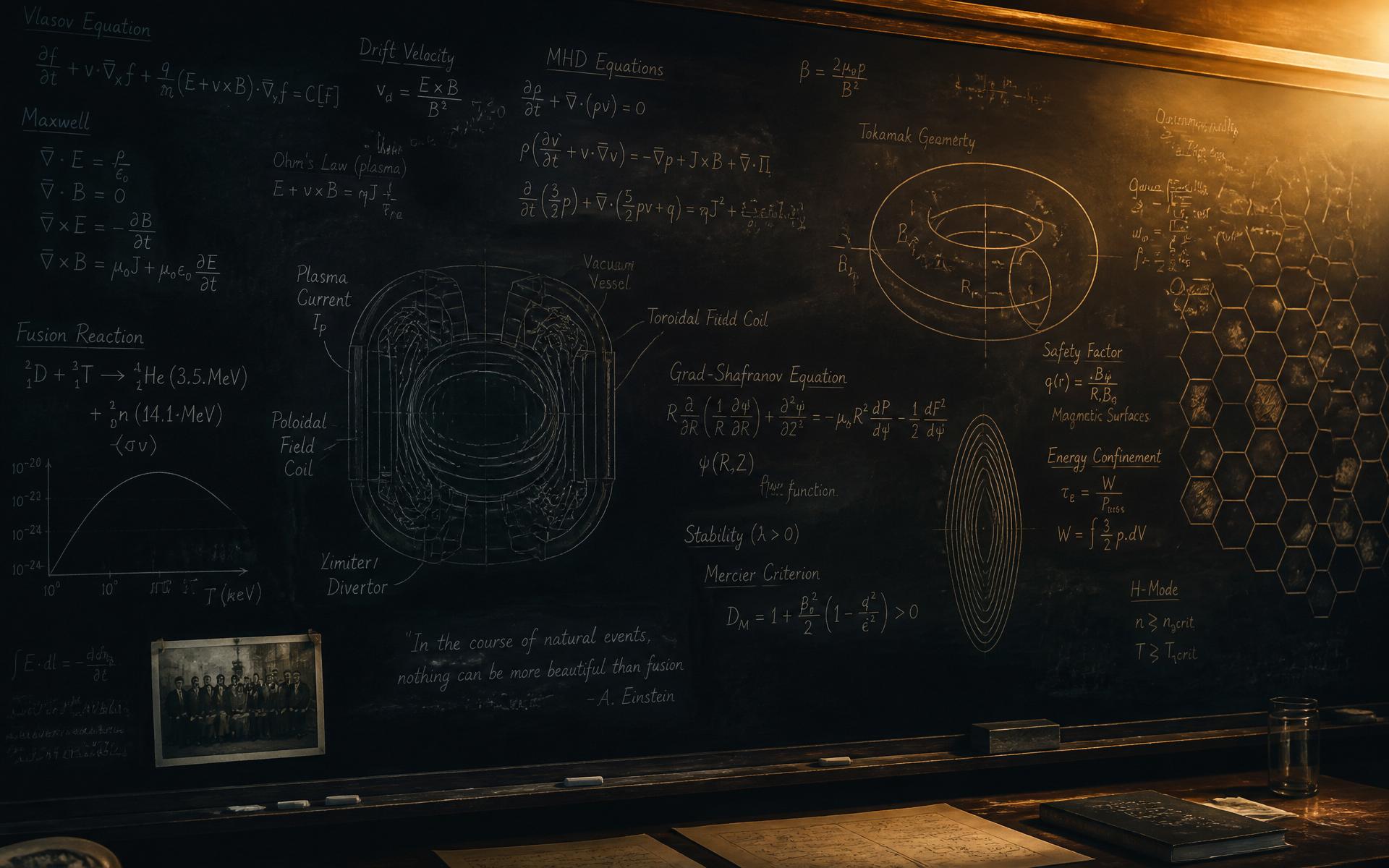
A method · Est. from the Göttingen tradition
The art of overcoming.
Learning, accelerated by challenge.
CDFL — Challenge-Driven Fusion Learning© — is a neurobiologically informed teaching architecture for complex technical domains. It turns advanced knowledge into an instrument for thinking, designing, arguing, and deciding.
The learning challenge
Why traditional methods fall short
Modern technical education delivers advanced content faster than students can transform it into operational competence. Learners pass examinations, yet still struggle when facing an open-ended engineering question.
- 01
Passive knowledge transfer
Rote learning discourages innovative, out-of-the-box solutions and inhibits creative thinking.
- 02
Disconnect from reality
Curricula rarely reflect the complex, interdisciplinary, and upcoming problems that industry faces.
- 03
Missing essential skills
Teamwork, technical argumentation, and critical communication are treated as afterthoughts.
- 04
Language as a barrier
In international classrooms, verbally fluent students dominate — even when others have stronger technical insight.
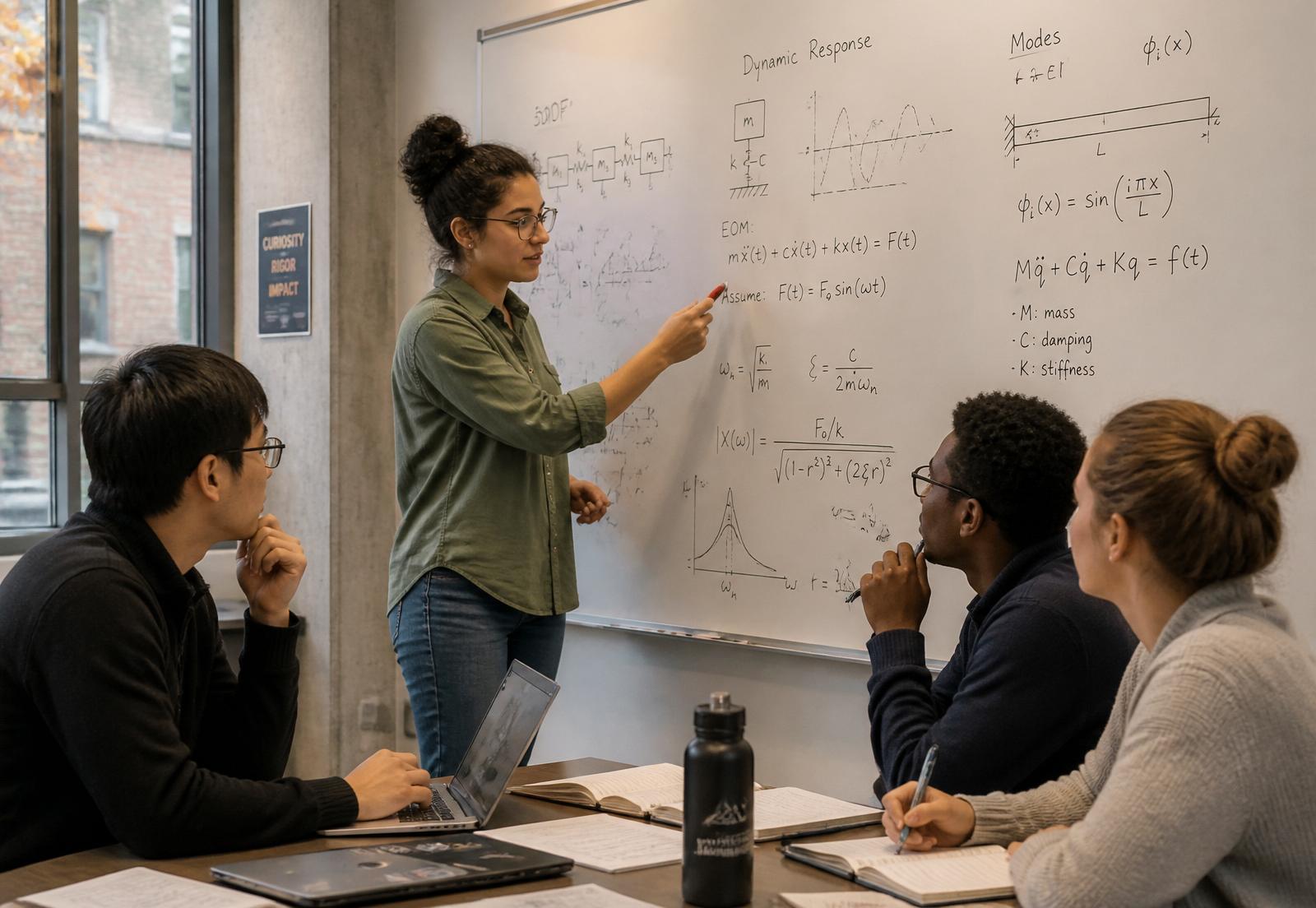
Fig. I · The active classroom
The vision
A new paradigm for high-impact learning
Fusion of intensive expert inputs with hands-on challenges — a dynamic, interactive ecosystem where students become proactive participants, not passive recipients.
Active engagement
Learners predict, formulate, and expose assumptions before receiving the expert model.
Interdisciplinary mastery
Materials science, plasma physics, engineering judgement — fused into a single working stance.
Problem solving first
Problem-Solving Before Instruction (PS-I) triggers the demand for knowledge that makes it stick.
Enhanced critical thinking
Every claim — including the teacher’s — is subject to immediate, structured challenge.
Immersive & gamified
Polls, sprints, peer critique, and challenge cycles keep the cognitive funnel open.
Future-ready professionals
Graduates who can think, decide, defend, revise, and act under uncertainty.
The mechanism
How the funnel opens
Learning emerges not from passive listening, but from the active struggle to find answers before receiving explanations. New knowledge hooks into the prior search — and turns into a usable skill.
Activation
Learners face a task without ready theory. They search, question, and create an inner demand for knowledge. Stronger need → stronger funnel.
Productive tension
Before feedback, the mind keeps working in the background. Open questions maintain curiosity; frustration and success stay in service of understanding.
Resolution & integration
Explanations arrive when the mind is hungry. They hook into the active mental search, are absorbed more deeply, and end in practice and application.
The learning journey
A five-step roadmap to mastery
Foundational block
Interactive PS-I challenge workshops on the fundamentals, followed by intensive lectures.
Independent self-study
Group research and project development, supported by forum work and Q&A sessions.
Project presentations
Findings shown in a professional setting; peer feedback under settled rules.
Revision
Groups refine their final delivery under time pressure, incorporating critique.
Exam
Final evaluation of deep understanding, accuracy, and application readiness.
Where it works
Two segments · one method
Developed & led by
Dr. Marina V. Macías Barrientos
German technical academia · applied research facilities · fusion & advanced materials education
“From knowledge transfer to engineered competence.”